Reading a Clinical Trial: Phase I to Phase III in Plain Words
What each phase asks, what a placebo group does, and which words in a press release deserve suspicion.
A funnel, not a ladder
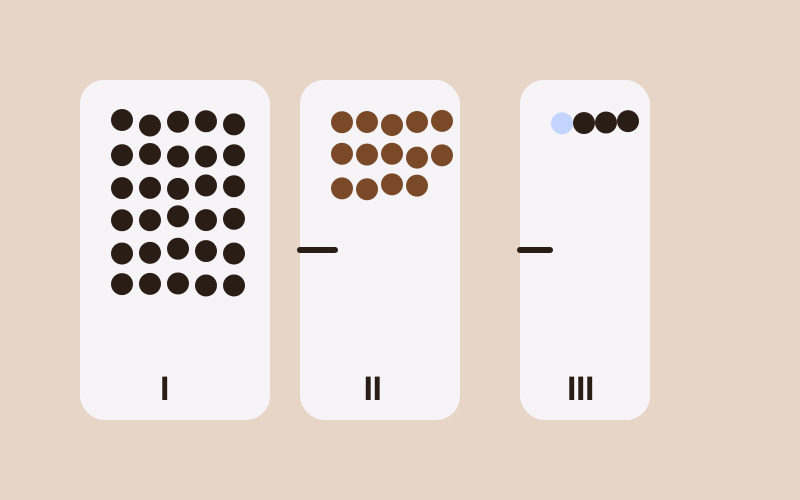
Most drug candidates fail. Roughly one in ten that enter human testing eventually reach approval. Each phase is a filter that asks a different question.
The phases
| Phase | Typical size | Main question |
|---|---|---|
| I | Tens of people | Is it tolerated? How does the body process it? |
| II | Hundreds | Does it seem to work? Which dose range is reasonable? |
| III | Hundreds to thousands | Does it beat placebo or the current standard, and is it safe enough? |
| IV | After approval | What happens in the real world over years? |
Before any of that, animal and cell studies take place. Those are called preclinical and cannot tell you what will happen in a person.
Design features that matter
- Randomization assigns participants by chance, so groups start similar.
- Placebo control separates the drug's effect from expectation.
- Blinding keeps participants and often researchers from knowing who received what.
- Pre-registration commits the team to the questions and outcomes before the results are known.
Endpoints and effect size
An endpoint is what the study measures. A clinical endpoint is something patients feel or experience, such as a stroke or weight lost. A surrogate endpoint is a stand-in, such as a lab value. Surrogates are useful but can mislead.
A result can be statistically significant and still tiny. Ask: how big was the difference, and for whom?
Red-flag words in headlines
- "Breakthrough" in a mouse or cell study.
- "Promising" with no mention of sample size.
- "Up to 20 percent" without an average.
- "Clinically proven" with no study cited.
A three-question check
- Was it done in humans, and how many?
- Was there a control group and was it randomized?
- Was the result published, and does the report match the press release?
Key takeaways
- Phases ask different questions; only III is built to confirm benefit.
- Control, randomization and blinding are what make results believable.
- Learn the words that inflate small results.
Educational only. Not medical advice. Read the disclaimer.