Oxytocin, Vasopressin and the Myth of the "Love Molecule"
Two nine-letter peptides that differ by two letters and do very different jobs. What they actually do, and why the pop-science label overreaches.
Twins with different jobs
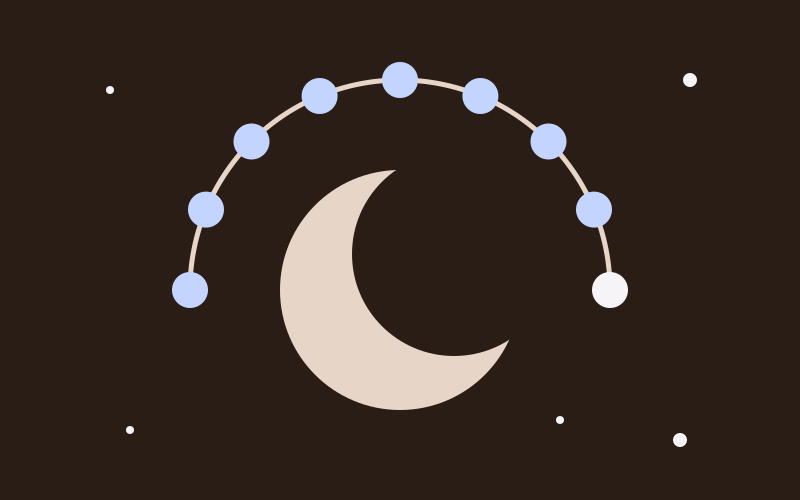
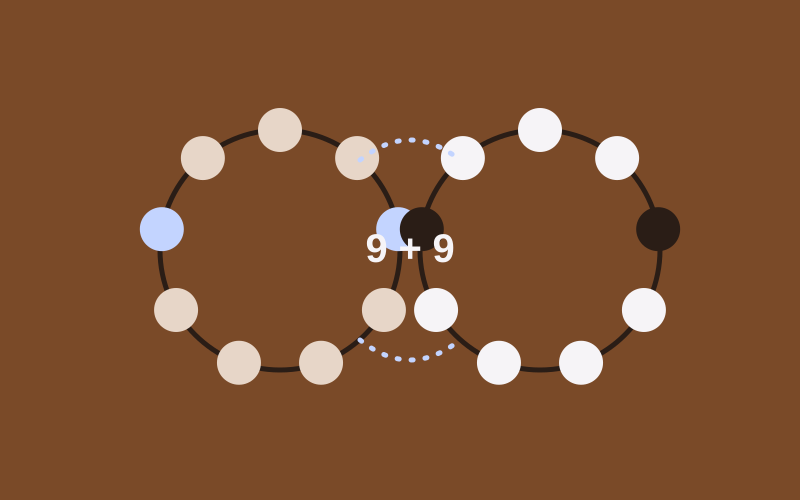
Oxytocin and vasopressin are both made in the hypothalamus, stored in the pituitary and released into the blood. Each is nine amino acids long, with a ring formed by a disulfide bridge. Their sequences differ at only two positions, yet their roles differ sharply.
| Oxytocin | Vasopressin | |
|---|---|---|
| Classic role | Labor contractions, milk let-down | Water retention by the kidneys, blood pressure |
| Also studied in | Social behavior, stress | Social behavior, stress |
| Medicine | Used in obstetric care | Desmopressin treats diabetes insipidus and some bedwetting |
What oxytocin is well known for
In childbirth, oxytocin helps the uterus contract. After birth, suckling triggers its release, which makes milk flow. These are firm, textbook findings.
Where the story gets shaky
In 2005 a widely cited study reported that sniffing oxytocin made people more willing to trust a stranger in a money game. The media coined the "love hormone" and "trust molecule" labels. Since then:
- Several attempts to repeat the result produced weaker or null findings.
- Delivering a peptide into the brain through the nose is hard to verify; it is unclear how much arrives where.
- Effects appear to depend on context, personality and the social situation. In some experiments oxytocin increased favoritism toward one's own group.
The honest summary: oxytocin is involved in social behavior. It is not a switch for love.
Why this matters for hype
When a molecule has one clear job in physiology, it is tempting to give it a second, more exciting job. Be careful when a product page borrows the "love molecule" claim to sell sprays or supplements. A human-grade study with a named formulation is a very different thing.
Key takeaways
- Oxytocin and vasopressin are near-identical but functionally distinct.
- Birth and lactation roles are well established; trust and bonding claims are mixed.
- Slogans like "love hormone" are marketing, not mechanism.
Educational only. Not medical advice. Read the disclaimer.